By Dr. Kasey DeAtley, Chico State College of Agriculture
Over my 13-year career as a faculty member in the College of Agriculture at Chico State, I’ve seen college students change in a number of ways. Early in my career, more students came from agricultural backgrounds. Today, many come from urban areas with limited exposure to agriculture. That shift has challenged me to slow down, meet students where they are, and adapt how I teach.
What hasn’t changed is their passion. Students still care deeply about agriculture. They just learn, prepare, and process information differently than they did even 10 years ago. Teaching has become a constant feedback loop, and I’ve learned to keep asking questions and adjusting so I can serve students as effectively as possible.
For those of you navigating college or early in your careers, here are a few lessons I believe matter most:
1. Focus on the skills that truly set you apart
A mentor in industry once told me, “Don’t worry about the technical skills—we’ll teach those. Find students who are passionate and help them become self-aware, kind, team players, and strong communicators.” That advice stuck with me. Technical skills will evolve, but how you work with others, how you handle conflict, and how you show up every day will define your success.
2. Know yourself and take the next step
I often tell my students, your first job is not your last job. Focus on taking the next step. Learn from it, contribute, build relationships, and then take another step. Understanding your strengths, values, and interests will help you navigate change and make better decisions along the way.
3. Go all-in on the college experience
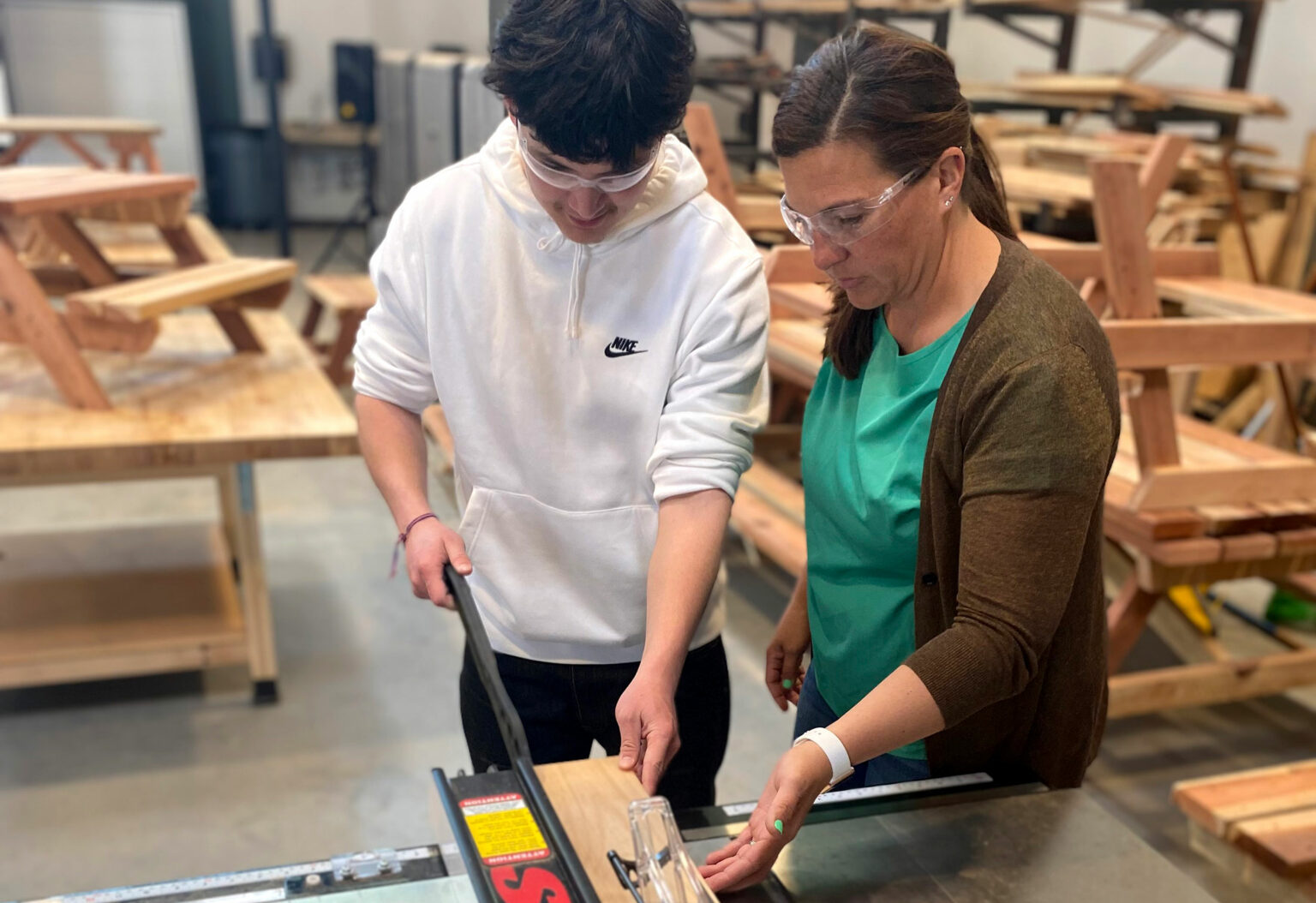
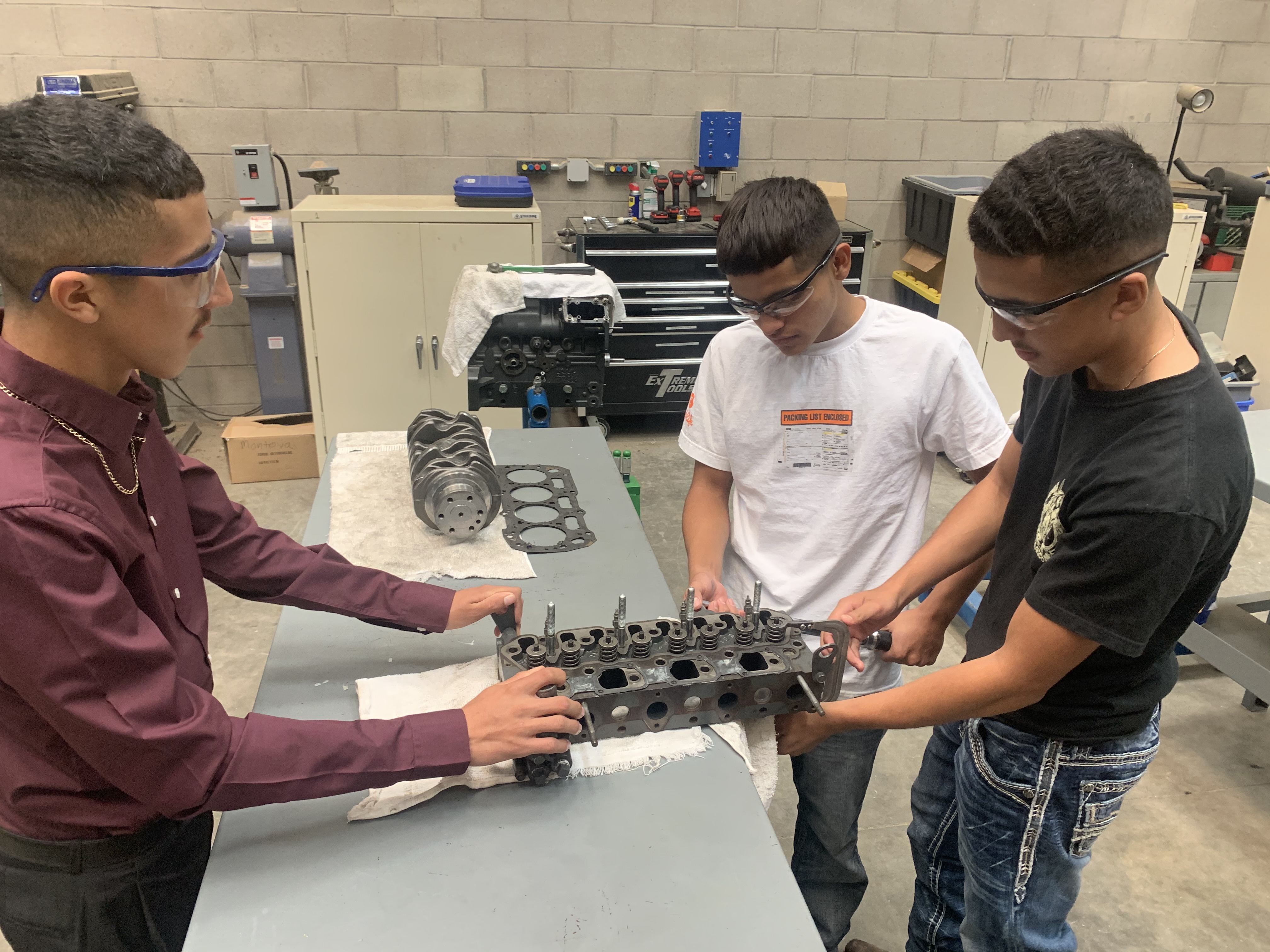
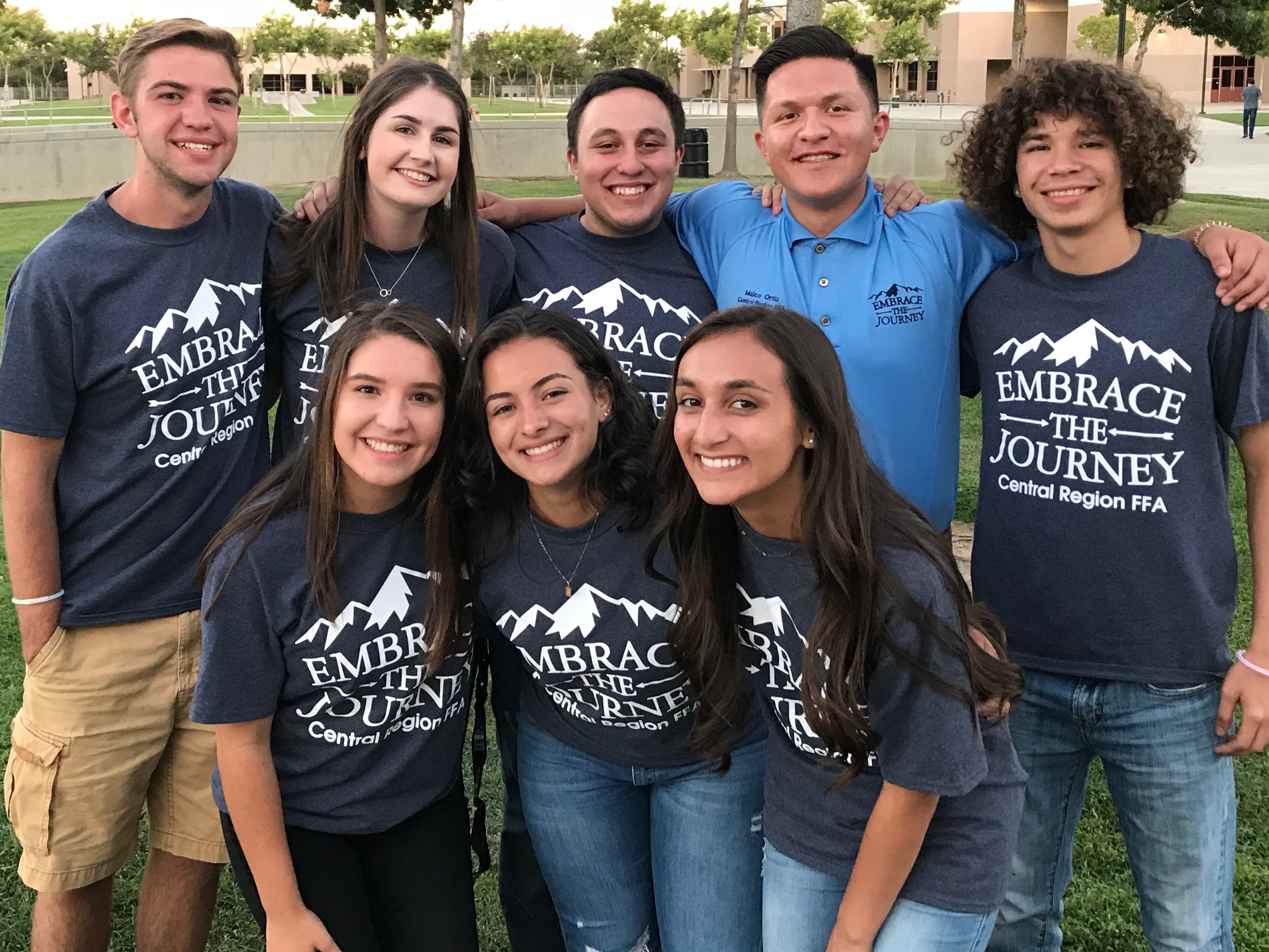
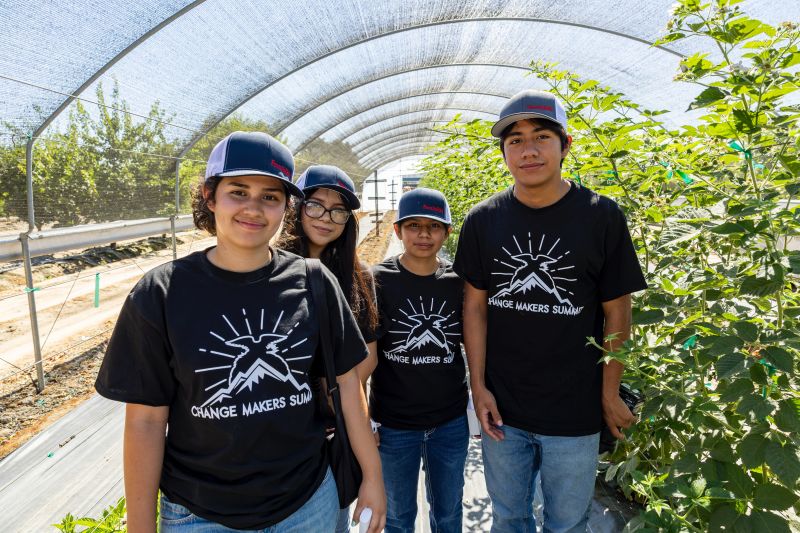
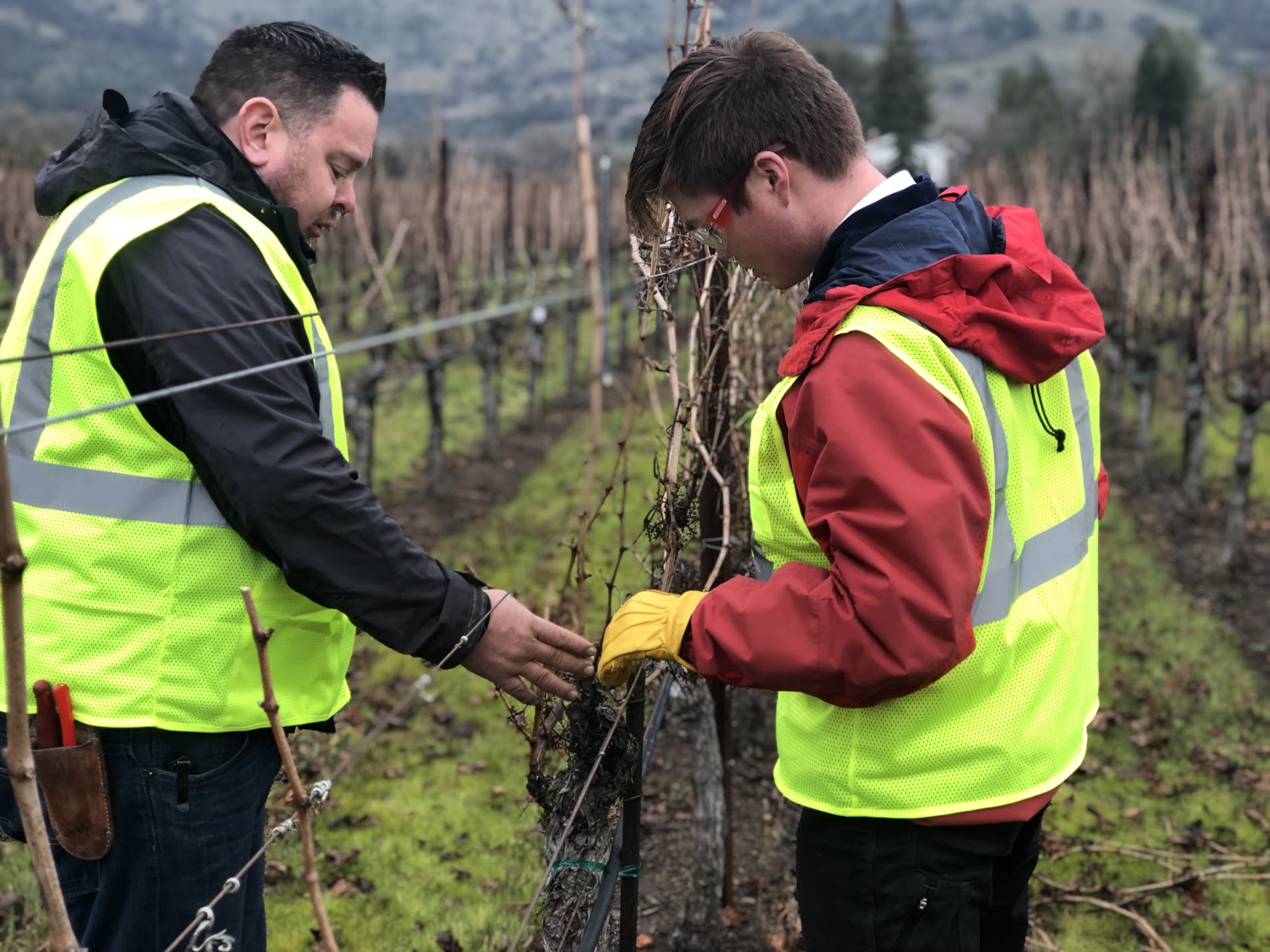
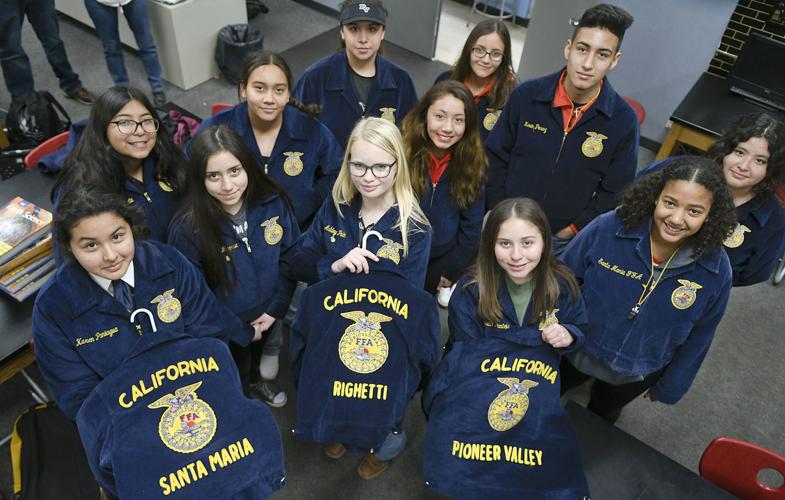
More often than not, coursework gives you knowledge, but experiences build your skills. Get involved in clubs, join competitive teams, pursue internships, or work with a faculty mentor on research. These are the spaces where you apply what you’re learning, connect with others, and grow. If you’re only going to class and doing homework, you’re missing out on one of the most impactful parts of college.
4. Learn to adapt, grow, and embrace change
Agriculture is constantly evolving. Technology, policy, and production practices will continue to shift. Every day will bring new challenges, and your ability to adapt and manage change will matter more than any single skill. If you understand yourself, you’ll be better equipped to handle whatever comes your way.
5. Be intentional with your time and don’t fear failure
Two common mistakes I see are giving up too quickly and trying to do everything. When students hit a challenge, some shut down instead of working through it. Failure, when approached with curiosity and humility, is one of the most powerful learning tools you have. On the other hand, some students overcommit and burn out. Choose a few meaningful opportunities and invest in them deeply.
College is one of the few times in your life where you have the space to explore, try new things, and even fail with relatively low risk. Take advantage of that. Internships, clubs, and hands-on experiences allow you to test different paths, build relationships, and gain perspective.
As you move forward, I would challenge you not only to think about what you want to do, but who you want to be. The agriculture industry needs people who are adaptable, thoughtful, and willing to take on big challenges. That kind of growth doesn’t happen all at once, but it does happen when you are intentional about the steps you take along the way.
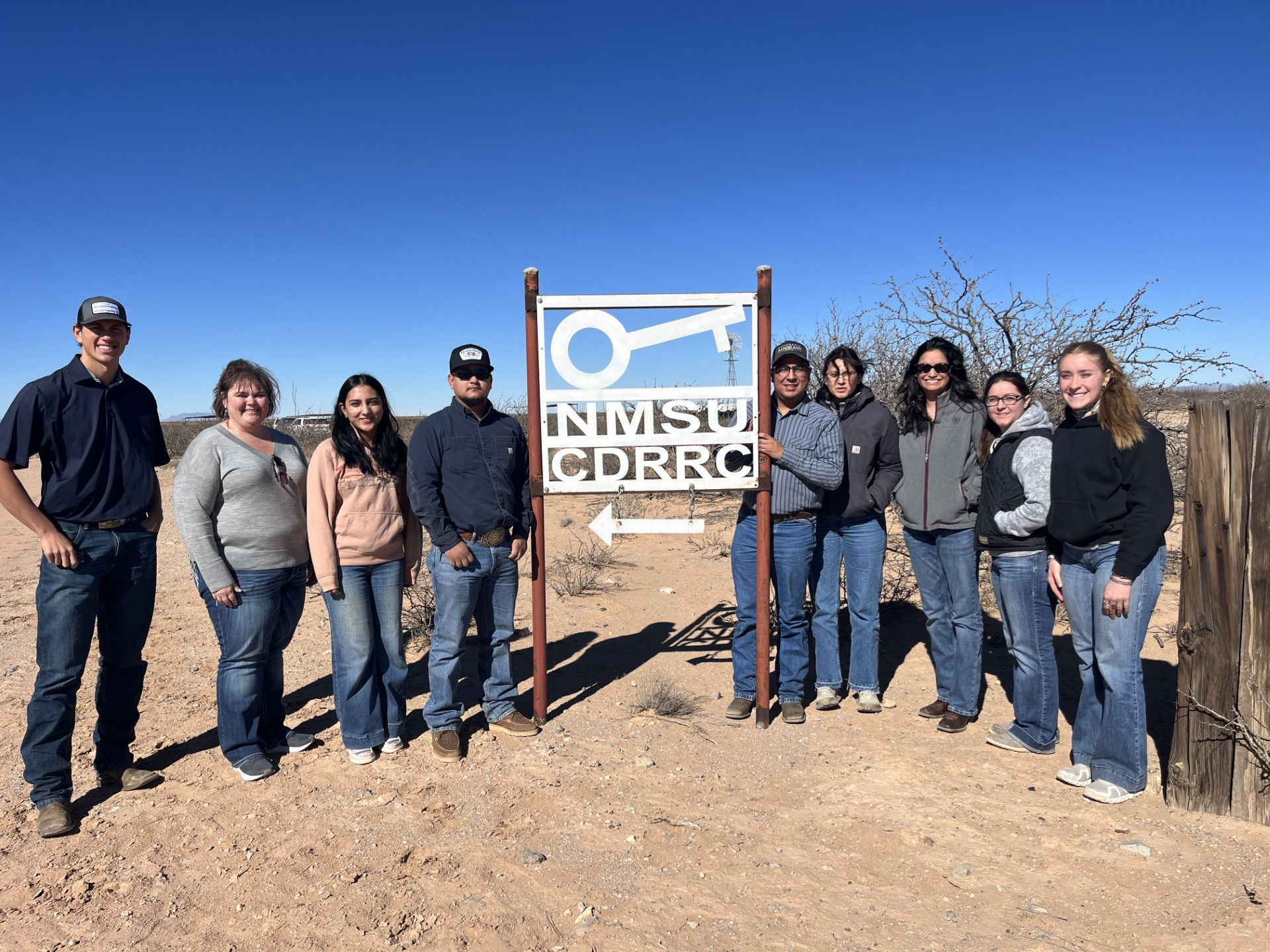
Dr. Kasey DeAtley is an Associate Professor at California State University, Chico in the College of Agriculture. Dr. DeAtley graduated from CSU, Chico herself in 2005 with a degree in animal science, completing her PhD in 2012. Dr. DeAtley works closely with students, dedicating herself to mentorship and hands-on learning experiences. As co-advisor of the Young Cattlemen’s Association, she remains actively involved in student activities while helping develop the next generation of leaders in the agricultural industry.